 (Image source: Paramount Pictures/20th Century Fox)
 Within cinematic history, compelling narratives and accomplished direction lay a strong foundation for artistic success. However, it is the intangible force of on-screen chemistry—the potent connection between performers—that often distinguishes an excellent film from a legendary one. This rapport infuses stories with authenticity, heightens emotional stakes, and engrains characters in cultural memory. This analysis explores distinguished instances of on-screen chemistry, focusing on universally recognized pairings that have set standards for collaborative performance.
Defining Chemistry: More Than Performance
On-screen chemistry is the observable, dynamic interplay between actors that transcends individual skill. It is revealed through collaborative rhythm, unspoken exchanges, and the energy between performers that convinces audiences of the relationship’s veracity. While precise scripts and astute direction provide a framework, genuine chemistry arises from the actors’ intuitive alignment. When achieved, this synergy confers an immediacy and resonance that elevate the film’s emotional core.
Casablanca (1942): Humphrey Bogart and Ingrid Bergman
Casablanca remains iconic in large part due to the palpable chemistry between Humphrey Bogart (Rick Blaine) and Ingrid Bergman (Ilsa Lund). Their restrained yet emotionally charged interactions form the backbone of the film’s enduring legacy. The tension in their glances and the subtext in their dialogue suggest a history and longing that extend beyond the screenplay.
Crucially, the realism of their connection is amplified by measured physical proximity and nuanced line delivery. The famous “Here’s looking at you, kid” scene demonstrates an emotional intimacy that transcends the page, largely owing to the performers’ ability to embody both passion and regret simultaneously. This credible interplay ensures that the film’s central love story remains compelling after decades, setting a benchmark for all subsequent romantic dramas.
Before Sunrise (1995) and Sequels: Ethan Hawke and Julie Delpy
Richard Linklater’s Before Sunrise and its sequels hinge entirely on the chemistry between Ethan Hawke (Jesse) and Julie Delpy (Céline). Unlike films reliant on grand gestures or heightened drama, these works derive their power from extended, naturalistic conversations, relying on the seamless exchange of ideas and emotions.
Hawke and Delpy, through improvisational energy and authentic timing, create a sense of spontaneity and shared discovery. Every glance, hesitation, and smile feels genuine, offering audiences an intimate window into the growing connection between the characters. Their chemistry effectively anchors the trilogy’s central thesis: that genuine human connection, conveyed through dialogue and unguarded vulnerability, can be as cinematic as any action sequence.
Heat (1995): Al Pacino and Robert De Niro
Dramatic tension does not solely reside in romance; it is also central to iconic rivalries. In Michael Mann’s Heat, Al Pacino (Vincent Hanna) and Robert De Niro (Neil McCauley) deliver a masterclass in adversarial chemistry. Their famous diner scene is composed of understated gestures, measured cadence, and the profound sense of two forces acknowledging both their kinship and inevitable conflict.
The mutual respect communicated through Pacino and De Niro’s subtle performances heightens the narrative’s stakes, transforming a typical cat-and-mouse pursuit into a philosophical meditation on duality and destiny. The actors’ ability to convey complex, unspoken emotions through eye contact and minimal language has rendered their pairing one of the most lauded in dramatic cinema.
Who’s Afraid of Virginia Woolf? (1966): Elizabeth Taylor and Richard Burton
Elizabeth Taylor and Richard Burton’s dynamic in Who’s Afraid of Virginia Woolf? demonstrates how intense on-screen chemistry can be harnessed for caustic, volatile energy. Their real-life relationship informed their portrayal of Martha and George, infusing each confrontation with realism and unpredictability.
The film’s extended verbal battles and oscillating power dynamics demand a rapport that is both antagonistic and deeply connected. Taylor and Burton execute this with precision, using inflection, timing, and expressive body language to sustain tension over the course of the narrative. Their work remains a definitive example of chemistry as a transformative force capable of turning psychological drama into a riveting cinematic experience.
Some Like It Hot (1959): Marilyn Monroe, Tony Curtis, and Jack Lemmon
On-screen chemistry also thrives within comedic context, as evidenced by Some Like It Hot. The trio of Marilyn Monroe, Tony Curtis, and Jack Lemmon leverage timing and mutual responsiveness to create genuinely infectious comedic interplay. Their physical humor and rapid dialogue exchanges generate a rhythm that underpins the film’s enduring success.
The rapport between Monroe and Curtis, particularly in their romantic moments, retains authenticity thanks to understated vulnerability beneath the comedic surface. Meanwhile, Lemmon’s interactions with both leads exemplify how chemistry can enhance ensemble storytelling, enabling a film to achieve both narrative clarity and emotional resonance.
Leonardo DiCaprio and Kate Winslet in Titanic (1997)
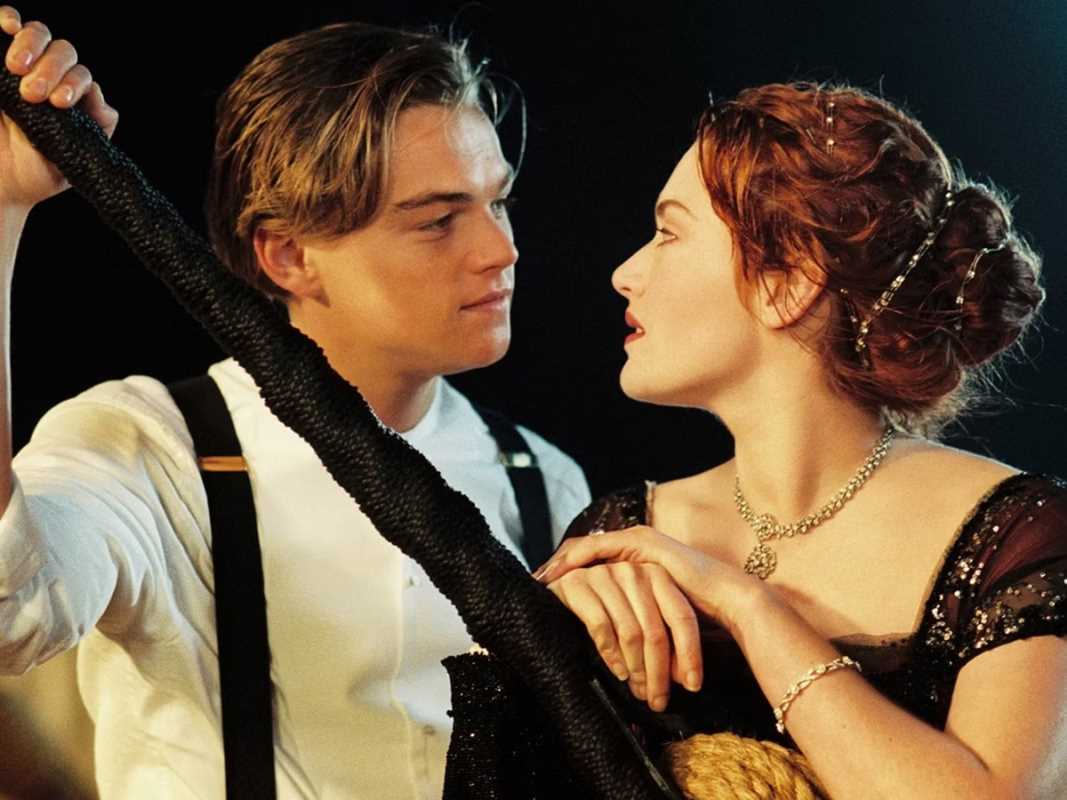
The global phenomenon of Titanic is inextricably linked to the potent chemistry between Leonardo DiCaprio as the artist Jack Dawson and Kate Winslet as the aristocrat Rose DeWitt Bukater. Their connection provided the essential human element that grounded the film’s grand scale and historical tragedy. The narrative required the audience to believe in a love so profound that it could blossom in a matter of days and transcend class, circumstance, and even death.
The chemistry between DiCaprio and Winslet is built on a foundation of complementary contrasts. DiCaprio’s portrayal of Jack is one of spirited, boyish charm and artistic freedom, which stands in direct opposition to Winslet’s depiction of Rose as a woman constrained by societal expectation and familial duty. Their initial interactions are marked by a delicate balance of curiosity and caution. The actors convey a sense of mutual discovery, allowing the audience to witness their emotional guards slowly lowering. Key sequences, such as the drawing scene, are masterfully executed, relying on sustained eye contact, subtle physical gestures, and hushed tones to build an atmosphere of profound intimacy. Their famous "I'm flying" moment at the ship's bow is a pinnacle of cinematic romance, a visual and emotional crescendo made entirely believable by the genuine joy and trust conveyed by the performers. Their enduring off-screen friendship is often cited as a contributing factor to this on-screen success, as their comfort and respect for one another translated into a safe space for vulnerability in performance.