 (Image via
Over the past ten years, independent cinema has served as a vital counterpoint to mainstream studio productions, offering new narrative structures, authentic voices, and unfiltered artistic vision. These films, often produced with limited resources, have consistently challenged industry conventions and expanded the boundaries of cinematic storytelling. An examination of the most influential independent films from 2015 to 2025 reveals a clear trend toward deeply personal, culturally specific, and artistically audacious works. The following analysis will focus on Moonlight, Lady Bird, Everything Everywhere All At Once, and The Farewell as definitive examples of films that have had a significant and lasting impact.
Moonlight (2016)
Barry Jenkins’s Moonlight stands as a watershed moment in contemporary cinema. The film, which chronicles three distinct periods in the life of a young Black man named Chiron as he grapples with his identity and sexuality, is a masterwork of quiet intimacy and profound emotional resonance. Its influence stems from its departure from conventional narrative structures and its nuanced portrayal of Black masculinity.
The film’s tripartite structure, which presents Chiron as a child, a teenager, and an adult, allows for a deep and meditative exploration of identity formation. This unconventional approach, combined with James Laxton’s lyrical cinematography, created a visual language that felt both poetic and profoundly human. Moonlight challenged prevailing industry assumptions about the types of stories that could achieve critical and commercial success. Its victory for Best Picture at the 89th Academy Awards was not merely an upset; it was a clear validation of independent, arthouse cinema and signaled a shift in the Academy's recognition of diverse narratives. The film’s success empowered a new generation of filmmakers to pursue deeply personal stories, particularly those centered on marginalized communities.
Lady Bird (2017)
Greta Gerwig’s solo directorial debut, Lady Bird, is a coming-of-age story that redefined the genre through its sharp, specific, and deeply empathetic lens. The film follows Christine “Lady Bird” McPherson during her senior year of high school in Sacramento, California, as she navigates her relationships with her mother, friends, and her own aspirations.
The influence of Lady Bird is rooted in its authentic and unapologetically female perspective. Gerwig’s screenplay is characterized by its rapid-fire, naturalistic dialogue and its ability to find humor and pathos in the mundane details of adolescent life. The film’s central focus—the complex, often contentious, but deeply loving relationship between Lady Bird and her mother—resonated with audiences and critics on a universal level. It demonstrated that a story centered on the interior life of a teenage girl could possess the depth and complexity of a grand epic. The film’s critical acclaim and commercial success firmly established Gerwig as a significant directorial voice and inspired a wave of female-led narratives that explore the nuances of women’s lives with honesty and wit.
Everything Everywhere All At Once (2022)
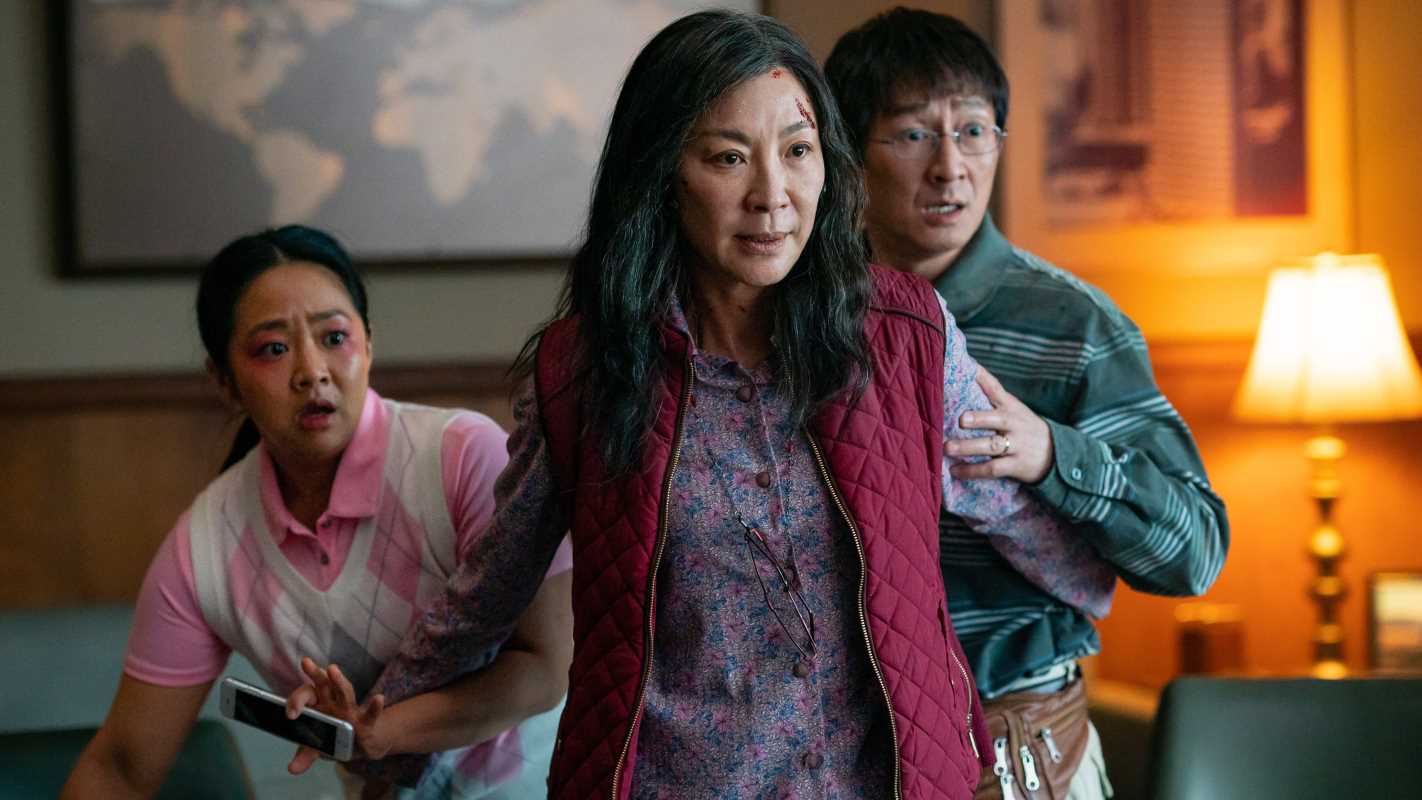
Directed by Daniel Kwan and Daniel Scheinert, Everything Everywhere All At Once is a maximalist genre-bending epic that defied all expectations for an independent film. The story centers on Evelyn Wang, a laundromat owner who discovers she must connect with parallel universe versions of herself to prevent a powerful being from destroying the multiverse.
The film’s primary influence lies in its audacious and innovative approach to storytelling. It seamlessly blends martial arts, science fiction, comedy, and family drama into a coherent and emotionally resonant narrative. This ambitious synthesis of genres, combined with its inventive visual effects and breakneck pacing, demonstrated that independent cinema could compete with blockbuster productions in scope and spectacle while retaining its artistic integrity. The film's overwhelming success, culminating in seven Academy Awards including Best Picture, served as a powerful statement on the commercial and critical viability of original, high-concept filmmaking. It challenged the industry’s reliance on established intellectual property and proved that audiences have a significant appetite for bold, imaginative storytelling.
The Farewell (2019)
Lulu Wang’s The Farewell is a poignant and culturally specific dramedy based on an actual family event. The film follows a Chinese-American woman, Billi, who returns to China upon learning her grandmother has been diagnosed with terminal cancer. The family, however, has decided not to tell the matriarch about her condition, instead staging a fake wedding as an excuse for everyone to gather and say their goodbyes.
The influence of The Farewell stems from its masterful navigation of cultural nuance. The film explores the profound differences between Eastern and Western perspectives on family, grief, and collective responsibility. Wang’s direction presents this cultural conflict not as a point of judgment but as a source of both humor and heartfelt drama. The film’s success demonstrated a clear market for stories that authentically represent the diasporic experience. It provided a platform for Asian-American narratives that move beyond stereotype and delve into the intricate realities of bicultural identity. Following its release, there has been a noticeable increase in films that explore similar themes, signaling a greater industry-wide willingness to invest in stories from specific cultural viewpoints.