 (Image source: Warner Bros. Pictures; Heyday Films; 1492 Pictures)
 In the discipline of filmmaking, production design serves as the architectural foundation upon which narrative is built. A meticulously conceived set is an active participant in the storytelling process, capable of conveying mood, character, and thematic depth. Certain film sets have transcended their functional purpose to become benchmarks of artistic achievement, establishing a visual language that continues to influence subsequent generations of production designers. This analysis examines the design and impact of several such iconic environments: the Overlook Hotel from The Shining, the dystopian cityscape of Blade Runner, Hogwarts from the Harry Potter series, the Death Star from Star Wars, the RMS Titanic from Titanic, and the desert planet Arrakis from Dune.
The Function of Set Design in Narrative Construction
Effective production design is a product of rigorous collaboration between the director, the production designer, and a team of artisans. The objective is to construct a physical world that is not only visually compelling but also thematically resonant with the film's core narrative. The design process involves extensive research, conceptual art, and architectural planning to create spaces that feel authentic and lived-in, even within a fantastical context. The most influential sets are those that achieve a perfect synthesis of form and function, where every architectural choice and decorative detail serves to amplify the story's emotional and psychological impact.
The Shining (1980): The Overlook Hotel
Stanley Kubrick’s The Shining is a masterwork of psychological horror, and its primary setting, the Overlook Hotel, is central to its enduring power. Production designer Roy Walker, in close collaboration with Kubrick, designed an environment that is both grand and deeply unsettling. The set was constructed almost entirely at Elstree Studios in England, allowing for complete creative control over its labyrinthine layout.
The design of the Overlook is characterized by its intentional spatial impossibilities and discordant aesthetic choices. The hotel’s vast, open spaces, such as the Colorado Lounge, were designed to dwarf the human figures within them, creating a palpable sense of isolation and insignificance. The iconic hexagonal pattern of the carpet, the Native American-inspired motifs, and the opulent but dated furnishings combine to create a disorienting atmosphere. This visual disharmony mirrors the psychological disintegration of the Torrance family. Furthermore, the hotel’s impossible geography—with windows in rooms where they could not logically exist and corridors that lead to nowhere—subtly undermines the audience's sense of reality, fostering a pervasive feeling of unease. The Overlook Hotel remains a definitive example of how production design can be utilized to manifest a film's psychological themes, establishing a benchmark for environmental storytelling in the horror genre.
Blade Runner (1982): A Dystopian Metropolis
Ridley Scott’s Blade Runner established the visual grammar for the cyberpunk genre, and its depiction of a rain-soaked, neo-noir Los Angeles in 2019 has been a profound influence on production design for decades. Production designer Lawrence G. Paull, along with futurist Syd Mead and visual effects artist Douglas Trumbull, crafted a world that was a dense, multilayered fusion of cultures and technologies.
The set design for Blade Runner is defined by its "retrofitting" aesthetic—a world where futuristic technology is layered atop decaying 20th-century architecture. This approach created a tangible sense of history and decay, suggesting a future that had evolved rather than being cleanly designed. The towering, pyramid-like structure of the Tyrell Corporation headquarters, the neon-drenched market streets, and the oppressive, perpetually dark and wet atmosphere combined to create a world that was both technologically advanced and socially derelict. The interiors, such as Deckard’s apartment, were inspired by Frank Lloyd Wright’s Ennis House, blending Mayan block patterns with futuristic elements to create a unique architectural style. The influence of Blade Runner's world-building is immeasurable; its vision of a technologically saturated but spiritually empty future has become a primary reference point for countless films, video games, and television series.
The Harry Potter Series (2001–2011): Hogwarts School of Witchcraft and Wizardry
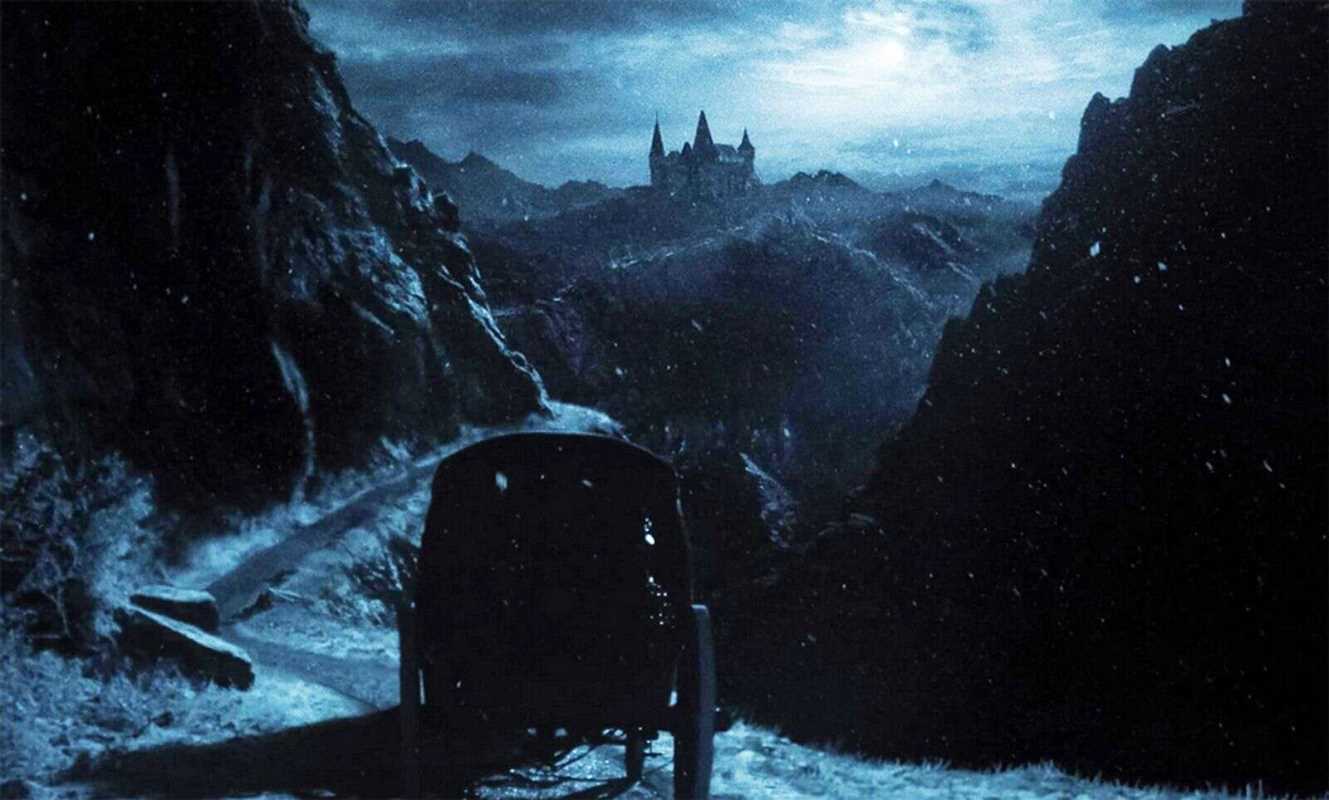
For the Harry Potter film series, production designer Stuart Craig was tasked with translating the richly imagined world of J.K. Rowling’s novels into a physical reality. The result, Hogwarts School of Witchcraft and Wizardry, is one of the most beloved and immersive film sets ever created. The primary sets were constructed at Leavesden Studios, allowing for a continuity of design across the eight-film series.
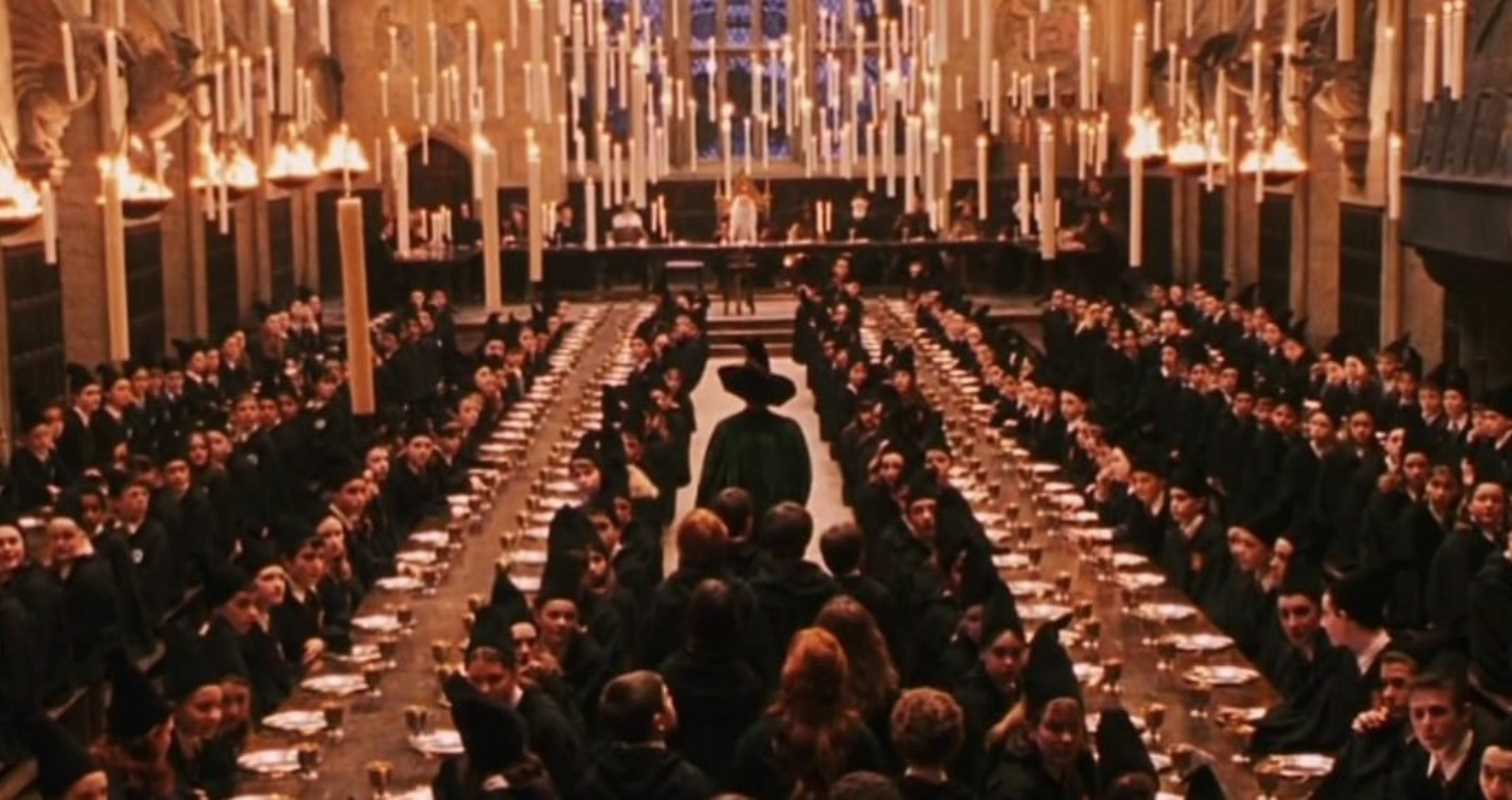
Craig’s design for Hogwarts is a masterful blend of various British architectural styles, primarily Norman Romanesque and Gothic, to create a castle that feels both ancient and magical. The design philosophy was to ground the fantastical elements in a believable, historical context. The Great Hall, with its soaring, vaulted ceiling, was directly inspired by the dining hall at Christ Church, Oxford, lending it an authentic sense of academic grandeur. The intricate details of the castle, from the moving staircases to the portrait-lined corridors, were meticulously crafted to create a sense of wonder and discovery. Over the course of the series, the design of the castle evolved to reflect the darkening tone of the narrative, with later films featuring more severe, damaged, and foreboding versions of the familiar locations. Stuart Craig’s work on the Harry Potter series is a testament to the power of production design to build a world that can grow and change with its characters, creating a setting that became a character in its own right.
Star Wars (1977): The Death Star
The Death Star, designed by production designer John Barry, remains one of the most instantly recognizable structures in film history. Its stark, militaristic corridors, the cavernous docking bays, and the imposing throne room all contributed to an atmosphere of cold, technological oppression. The set’s monochromatic palette, repeating geometric motifs, and meticulous attention to detail conveyed the galactic Empire’s order and might, making the Death Star not just a backdrop but an extension of the film’s central antagonist.
The iconic trench run, shot with detailed miniatures and innovative camera work, became a template for subsequent space epics. The set design’s influence can be seen in countless science fiction films, and the Death Star established a visual shorthand for authoritarian power. Its enduring legacy demonstrates how production design can reinforce narrative themes and define the aesthetic direction of an entire genre.
Titanic (1997): RMS Titanic
James Cameron’s Titanic required the construction of one of the most ambitious sets ever built for film. Production designer Peter Lamont oversaw the creation of a near full-scale replica of the legendary ship at a custom-built facility in Mexico. From the grand staircase to the opulent first-class dining saloon and the labyrinthine corridors of steerage, every detail was painstakingly recreated based on original architectural plans and historical records.
The immersive authenticity of the Titanic set was crucial to the film’s emotional gravitas. Performers and audiences alike navigated real spaces, lending intimacy and immediacy to both grand spectacle and personal drama. The layered design enabled dynamic camera movement, allowing audiences to experience the ship’s descent from opulence to catastrophe. The influence of Titanic's production design set new standards for historical recreation, merging epic scale with intimate drama and inspiring subsequent films to pursue a similar level of authenticity in their environments.
Dune (2021): Arrakis
Denis Villeneuve’s Dune presents a vision of Arrakis—a vast, inhospitable desert planet—that is as thematically resonant as it is visually striking. Production designer Patrice Vermette combined monumental exterior landscapes with intricately designed interiors for a holistic world-building approach. Real desert locations in Jordan and the United Arab Emirates were augmented by massive sets and visual effects, grounding the otherworldly setting in physical reality.
The architecture of Arrakeen, with its brutalist influences and environmentally adaptive design, reflects the planet’s harsh climate and the pragmatic ethos of its inhabitants. The scale and austerity of the spaces, from the stronghold’s massive sandblasted walls to the awe-inspiring sietches, reinforce themes of survival, power, and legacy. The design’s commitment to environmental logic and visual coherence has quickly made Dune’s sets influential benchmarks for both science fiction and large-scale fantasy production.