 (Image via
In the discipline of contemporary filmmaking, visual effects (VFX) have transcended their role as mere spectacle to become an integral component of narrative construction. The Academy Award for Best Visual Effects is conferred upon productions that demonstrate a masterful synthesis of technological innovation and artistic vision. An examination of the processes behind these award-winning effects reveals a complex and exacting collaboration between VFX artists, directors, and numerous other production departments. This analysis will document the behind-the-scenes methodologies of five exemplary films—Avatar, Inception, Gravity, The Jungle Book, and Dune—to provide a clear understanding of how these groundbreaking visuals were achieved.
The Collaborative Framework of Modern Visual Effects
The creation of premier visual effects is a highly collaborative endeavor. The process commences with the director's vision, which is then translated by the VFX supervisor into a concrete plan of execution. This plan requires precise coordination with the art department for design consistency, the cinematography department for lighting and camera integration, and the practical effects team for on-set execution. The successful integration of digital and practical elements is contingent upon this rigorous, cross-departmental planning, ensuring that the final composite appears seamless and serves the narrative intent.
Avatar (2009): Groundbreaking Performance Capture
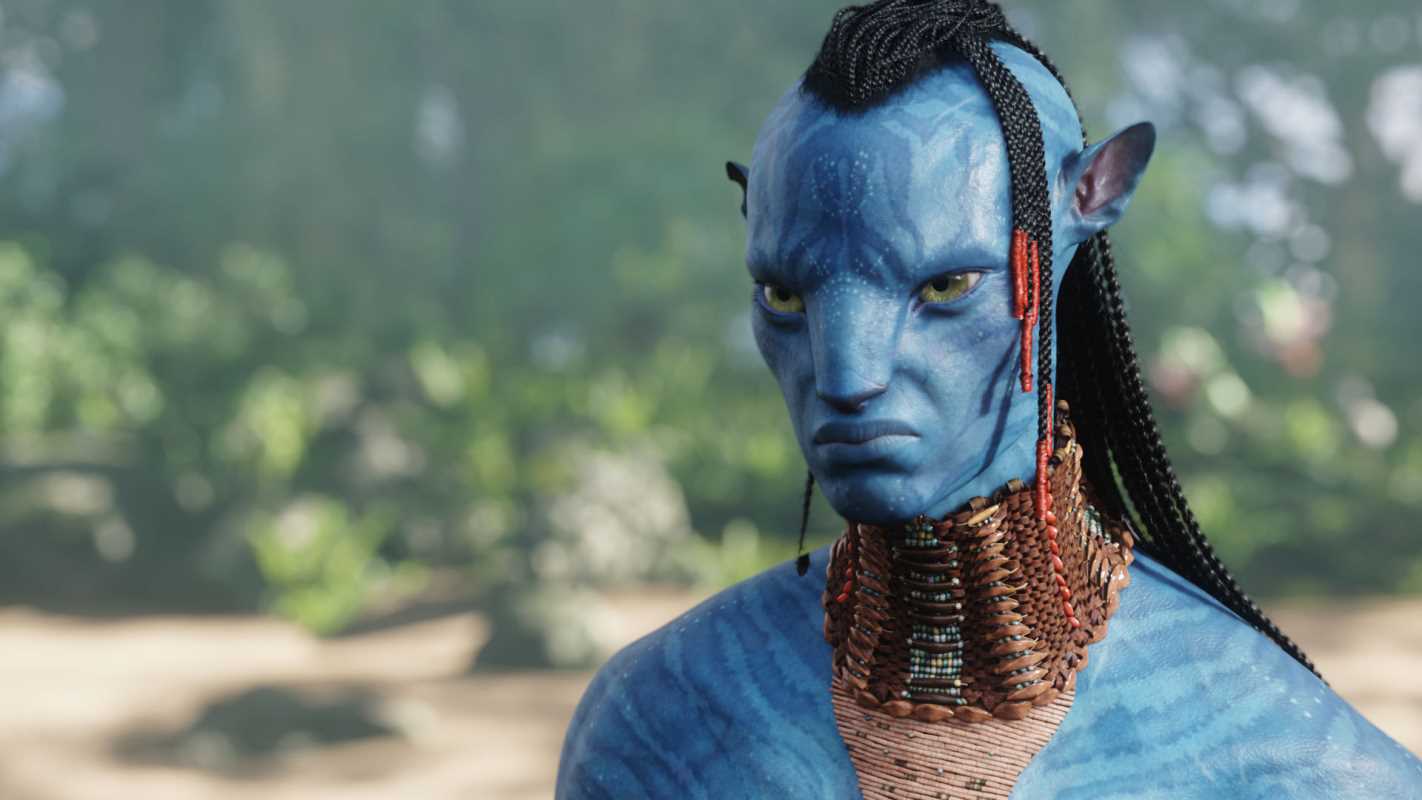
James Cameron’s Avatar fundamentally altered the standards for character animation and world-building through its pioneering use of performance capture technology. To create the Na’vi, the production developed a new system that allowed for the capture of actors' facial expressions with unprecedented fidelity. Actors wore specially designed head-rigs equipped with a camera that recorded every subtle muscle movement. This data was then mapped directly onto their digital counterparts, resulting in CGI characters that conveyed genuine emotional depth. This fusion of human performance and digital creation allowed for a level of nuance that had not been previously achieved, establishing a new benchmark for believable, emotionally resonant digital beings.
Inception (2010): The Synthesis of Practical and Digital Effects
Christopher Nolan’s Inception is a definitive example of how practical, in-camera effects can be masterfully blended with digital enhancements. The film’s memorable zero-gravity hallway sequence was achieved not primarily through CGI, but by constructing a 100-foot-long hotel corridor inside a massive, rotating centrifuge. This practical approach required immense engineering precision and physical choreography from the performers. Digital effects were then utilized to remove rigging, enhance environmental details, and seamlessly stitch together different takes. This methodology, which prioritizes capturing as much as possible in-camera, lends a tangible weight and authenticity to the visuals, making the impossible appear viscerally real.
Gravity (2013): Innovative Lighting with LED Boxes
To simulate the complex lighting of outer space for Gravity, director Alfonso Cuarón and cinematographer Emmanuel Lubezki required a solution beyond traditional green screens. The innovation was the "Lightbox," an enclosed 20-by-10-foot cube lined with 4,096 LED bulbs. The actors, secured in elaborate rigs, were placed inside this box. The LEDs could then project animated sequences of Earth and space onto the actors and their surroundings, creating realistic, dynamic lighting and reflections directly on their faces and space suits. This technique allowed for a seamless integration of live-action performance with the digitally created environment, solving the critical challenge of how to light a subject in a zero-gravity, CGI world with absolute realism.
The Jungle Book (2016): Photorealistic Digital Environments and Characters
Director Jon Favreau's The Jungle Book set a new standard for photorealistic animation and digital world-building. With the exception of the actor playing Mowgli, every character and environment in the film was digitally created. The production utilized a combination of advanced CGI and performance capture to create its cast of animal characters. The VFX artists at Weta Digital and MPC developed new software to render fur, muscles, and skin with extraordinary realism. Actors performed motion capture to provide a basis for the animals' movements, which was then meticulously animated to achieve a balance between authentic animal behavior and anthropomorphic expression. The result was a completely immersive and believable digital jungle, populated by creatures that appeared indistinguishable from their real-world counterparts.
Dune (2021): Seamless Integration for Epic Scale
Denis Villeneuve’s Dune utilized a sophisticated blend of large-scale practical effects and seamless digital extensions to create its epic, otherworldly aesthetic. To convey the immense scale of the planet Arrakis, the production team filmed on location in the deserts of Jordan and Abu Dhabi. Practical, partial sets of structures were built in these locations. In post-production, VFX artists digitally extended these sets to their full, colossal size and added environmental effects like atmospheric haze and swirling spice. The iconic "Thumpers" were practical props that were physically deployed on set, with digital effects used to create the resulting sand vibrations. This integrated approach, known as "set extension," grounds the fantastical elements in a tangible reality, creating a sense of scale and authenticity that is both immersive and visually magnificent.