 (Image via
Becoming a cinematographer or a camera operator puts you right at the center of the filmmaking world. You are the one capturing the images that tell the story. This career path demands a sharp eye, technical skill, and a deep passion for visual storytelling. Breaking into this field takes hard work, but the right steps can get you there.
Here is a guide to launching your career behind the camera.
What’s the Difference? Cinematographer vs. Camera Operator
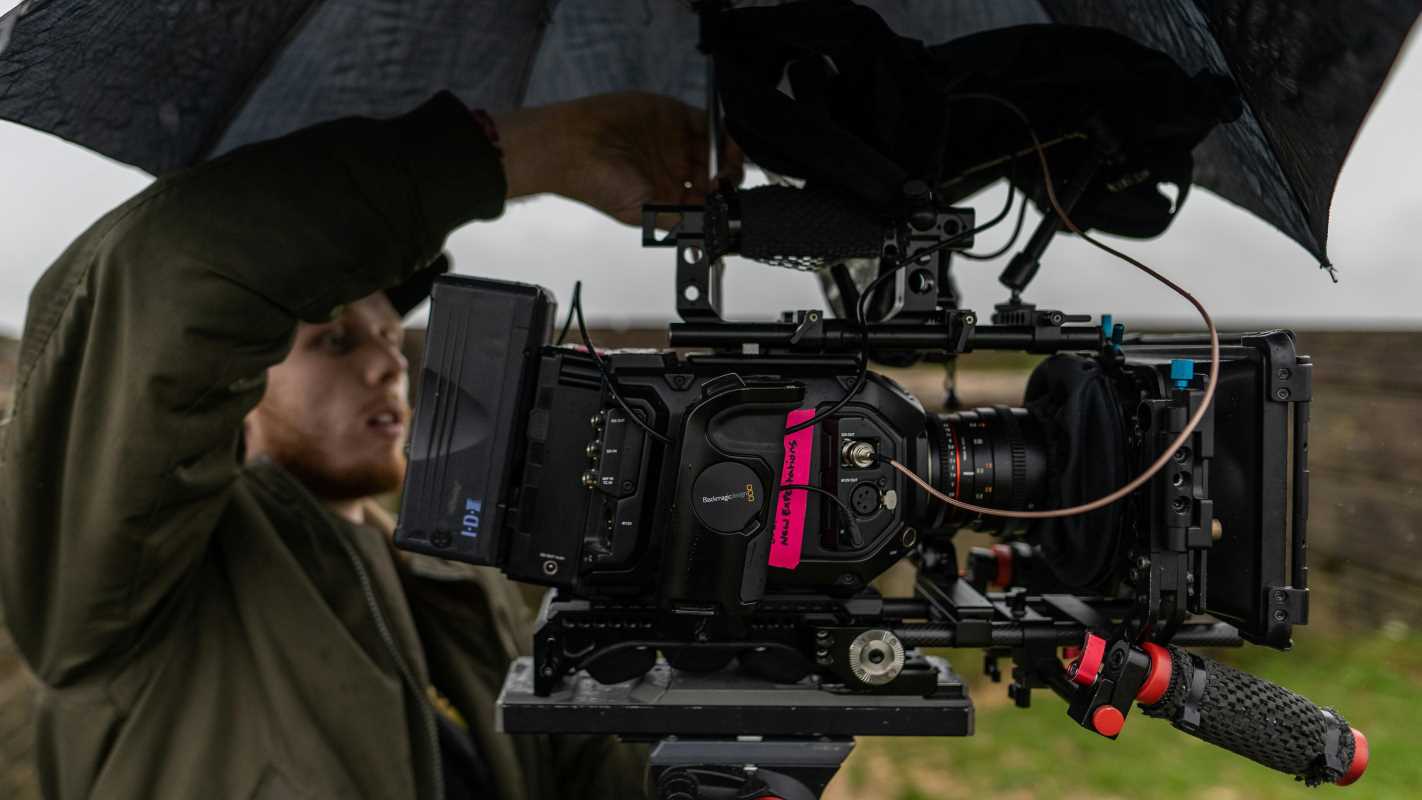
First, let's clear up the roles. A camera operator is the person who physically controls the camera. They follow the shot instructions given by the cinematographer to get the perfect take. It’s a job that requires precision, a steady hand, and technical expertise.
A cinematographer, also known as the Director of Photography (DP), is the creative head of the camera and lighting departments. They work directly with the director to design the visual look and feel of the entire film. They make the big decisions about lighting, shot composition, and camera movement. Many cinematographers start their careers as camera operators.
Educational Pathways
You have options when it comes to education. A formal degree isn't always required, but it can provide a strong foundation.
- Film School: A bachelor's degree in film production, media studies, or cinematography offers a structured environment to learn the craft. You get hands-on access to professional equipment and instruction in key areas like lighting, composition, and film history. Plus, film school is a prime spot for networking with future collaborators.
- Workshops and Certificates: If a four-year degree isn’t for you, look into intensive workshops or certificate programs. These focused courses can teach you specific technical skills, from operating a Steadicam to advanced color grading.
No matter which path you choose, the real learning happens when you get a camera in your hands.
Build Your Technical Skills
To succeed, you need to be a gear expert. The technology is always changing, so you must stay current.
- Master the Camera: Get to know different camera systems, from DSLRs to high-end cinema cameras like ARRI or RED. Understand how to use lenses, aperture, shutter speed, and ISO to shape an image.
- Learn Lighting: Lighting is everything. It creates mood, directs the audience’s eye, and makes a shot look professional. Study lighting techniques like three-point lighting. Experiment with different light sources to see how they affect a scene.
- Understand Composition: Learn the rules of visual storytelling. Principles like the rule of thirds, leading lines, and framing help you create balanced and compelling images.
Get Hands-On Experience
Experience is the most important part of your resume. You need to start shooting as much as possible.
- Student and Indie Films: Volunteer to work on student films or low-budget independent projects. These sets are fantastic learning grounds. You’ll get to try different roles and build your skills in a real-world setting. You might start as a production assistant or camera assistant and work your way up.
- Shoot Your Own Projects: Don’t wait for permission. Grab a camera and start creating your own short films, music videos, or spec commercials. This is the best way to develop your personal style and experiment with new ideas.
- Seek Mentorships: Find an experienced cinematographer or camera operator whose work you admire. Reach out and ask for advice. A good mentor can provide priceless guidance and help you navigate the industry.
Create a Killer Reel
Your demo reel is your visual resume. It’s a short montage of your best work that showcases your skills and style. A great reel is what gets you hired.
- Keep it Short and Sweet: A reel should be between 90 seconds and two minutes. Put your absolute best shots first to grab attention immediately.
- Show Your Range: Include a variety of shots that demonstrate your ability to handle different styles and moods. Show that you can shoot intimate dialogue scenes as well as dynamic action sequences.
- Focus on Quality: Only include high-quality footage. A few amazing shots are better than a lot of mediocre ones. Make sure the sound design and music are professional. Your reel should look and feel like a real film.
Network and Advance Your Career
The film industry is all about connections. Building a professional network is key to finding work and moving up.
- Go to Industry Events: Attend film festivals, seminars, and workshops. Meet other filmmakers and start building relationships.
- Use Social Media: Platforms like Instagram are great for showcasing your work and connecting with directors and producers.
- From Operator to DP: The path from camera operator to cinematographer involves proving your creative vision. As an operator, pay close attention to the DP’s choices. Build a strong relationship with directors you work with. When the time is right, you can use your reel and your network to land your first gig as a cinematographer.
A career as a cinematographer or camera operator is a challenging but incredibly rewarding journey. It requires a commitment to continuous learning and a passion for crafting powerful images. Start building your skills, shoot as much as you can, and connect with other creatives.