 (Image via
Ever dream of creating the characters in the next big video game or the stunning visual effects in a blockbuster movie? A career in animation and 3D modeling is your ticket to making those worlds. This field is all about blending art with tech to bring stories to life. Breaking in takes skill and hustle, but the path is clear if you know where to start.
Here is your guide to launching a career in animation and 3D modeling.
What Kind of Career Are You After?
Animation is a huge field. Before you dive in, figure out what you want to create. This will shape the skills you need to build.
- Gaming: Build characters, environments, and assets for video games. This often requires skills in real-time rendering and optimization.
- Film & TV: Work on everything from animated feature films for studios like Pixar to visual effects (VFX) for live-action movies.
- Advertising: Create eye-catching 3D graphics and animated commercials for major brands.
- Architecture & Product Design: Use 3D modeling to create realistic visualizations of buildings and products before they are made.
School vs. Self-Taught
Do you need a degree? It’s a big question. A formal education from an art school or university with a strong animation program gives you structure, access to high-end software, and a network of peers and instructors. You’ll get a solid foundation in art fundamentals like drawing, color theory, and composition.
However, a degree is not a requirement. Many successful animators are self-taught. With online schools like Gnomon, School of Motion, or Animation Mentor, you can get focused, industry-level training. What truly matters is your demo reel. A killer portfolio will always beat a fancy degree.
Master the Essential Software
Your software skills are your power tools. The industry runs on specific programs, and you need to be proficient.
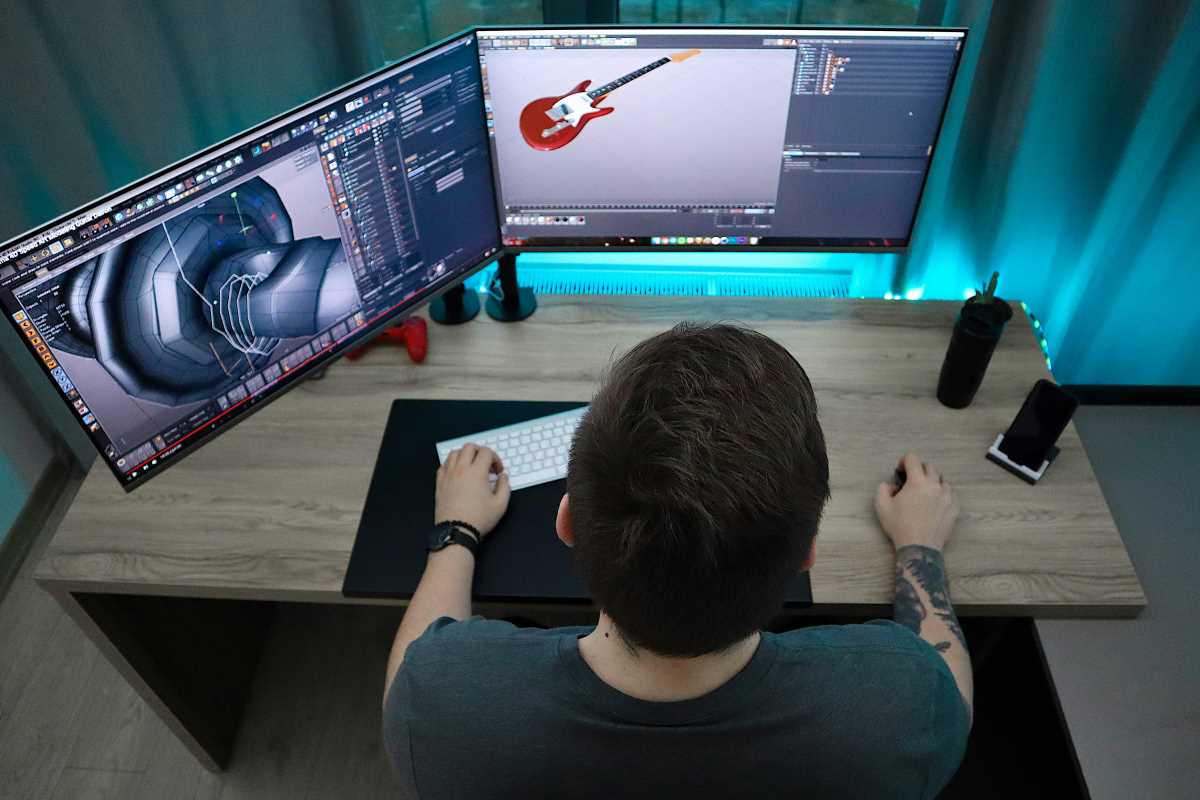
- 3D Modeling: Autodesk Maya is the king in film and animation. Other key players are Blender (which is free and powerful), ZBrush for digital sculpting, and 3ds Max, popular in gaming and architecture.
- Animation: Autodesk Maya is also the standard for character animation. For 2D, Toon Boom Harmony is a top choice.
- Rendering: You'll need to know rendering engines like Arnold, V-Ray, or Redshift to turn your 3D models into final images.
- Game Engines: If you’re aiming for the gaming industry, get familiar with Unreal Engine or Unity.
Start with one program, like Blender or Maya, and get really good at it.
Build a Demo Reel That Gets You Hired
Your demo reel is everything. It’s a short video—usually 60-90 seconds—that shows off your absolute best work. It is your single most important tool for getting a job.
- Quality Over Quantity: Only include your best pieces. A 30-second reel of amazing work is better than a 2-minute reel with mediocre shots.
- Tailor It: If you're applying for a character animator job, fill your reel with character animation. If you want to be a 3D modeler, show detailed turntables of your models.
- Start Strong, End Strong: Put your most impressive piece first. Casting directors and recruiters make decisions in the first 10 seconds.
- Keep it Online: Host your reel on Vimeo or YouTube. Include a link at the top of your resume and on your portfolio website.
Gaining Experience: Internships and Freelancing
Experience is crucial. You need to prove you can work on a team and hit deadlines.
- Internships: This is the golden ticket. An internship at a studio gives you professional experience, a credit for your resume, and a massive networking boost. Look for summer internships at major studios or smaller local ones.
- Freelancing: Take on small freelance projects to build your portfolio and your bank account. Use platforms like Upwork or Fiverr to find gigs. This shows you have experience working with clients and managing projects.
- Personal Projects: Don’t wait for a job. Create your own short film or animated loop. This demonstrates your passion and initiative.
Networking Your Way to a Job
The animation world is smaller than you think. Connections are key.
- Get on LinkedIn: Follow studios and artists you admire. Share your work and connect with recruiters.
- Go to Industry Events: Attend events like SIGGRAPH, CTN Animation Expo, or local industry meetups. These are amazing places to meet professionals and get your work seen.
- Be Active Online: Join online communities on Discord, Reddit (like r/animation), or ArtStation. Share your work, get feedback, and connect with other artists.
Keep Learning and Stay Current
The technology and trends in animation change fast. You have to be a lifelong learner to stay relevant. Watch new animated films and play new games. Follow top artists on social media to see what techniques they are using. Always be working on a new skill or a personal project.