 (Image via
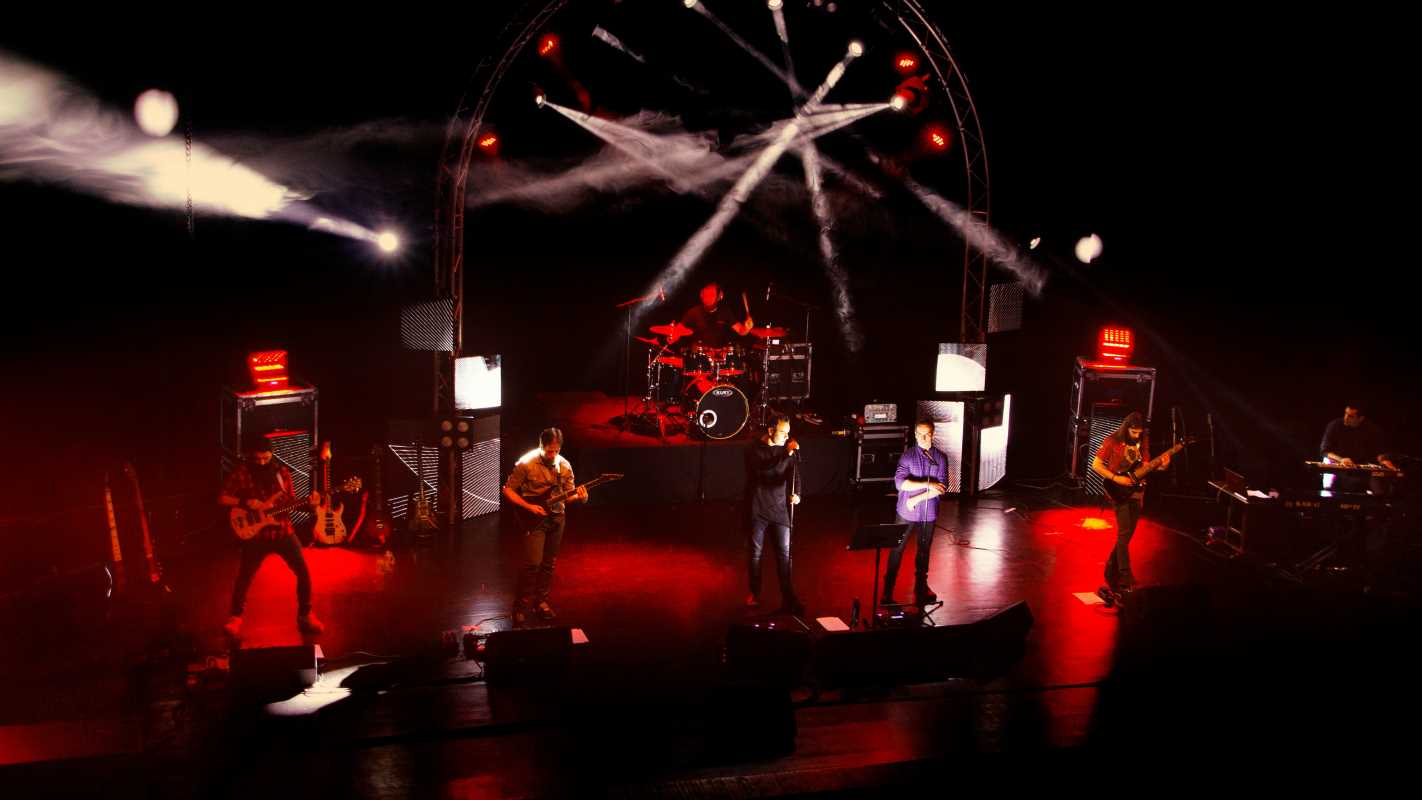
Ever been to a concert or a festival and felt that rush when the lights go down and the music starts? The people who make that moment happen work in event production. They are the masterminds behind every live show, from massive music festivals to intimate theater productions. A career in this industry is your pass to the backstage world of live entertainment.
This is a job for people who thrive on energy and action. If you love working with a team to create something unforgettable, here is your guide to breaking into event production and live stage shows.
What Are the Jobs Backstage?
Live event production is a team sport with many specialized roles. Each one is crucial to making the show a success.
- Production Manager: This is the boss. The production manager oversees the entire technical side of the show, managing budgets, schedules, and all the different crews. They are the ultimate organizers and problem-solvers.
- Stagehands: These are the do-it-all pros who physically set up and tear down the show. They build the stage, unload trucks, and make sure every piece of equipment is in the right place. It’s a physical, hands-on job.
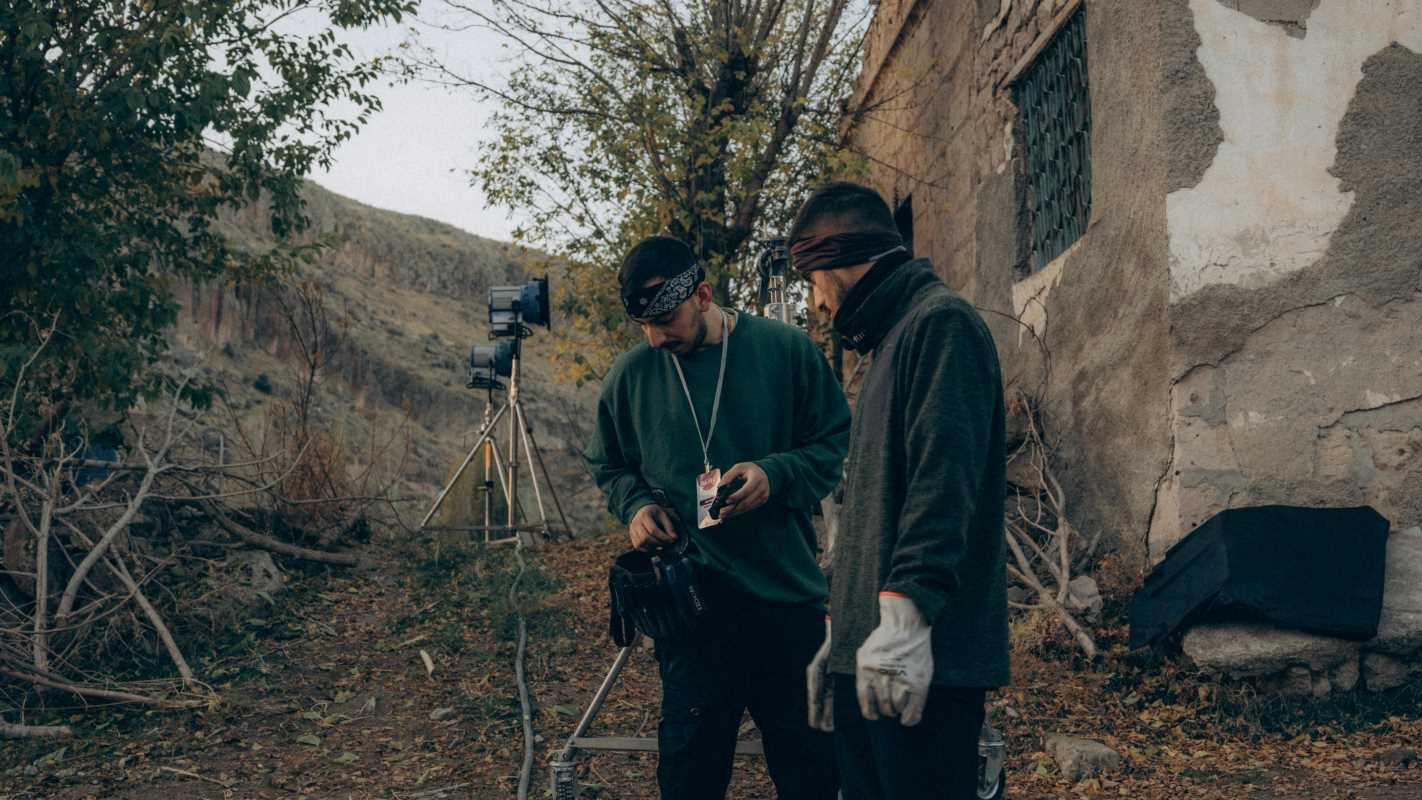
- Lighting Technician (LD): Lighting designers and technicians create the visual mood of the show. They hang, focus, and program all the lights to create dramatic and stunning effects that sync with the performance.
- Sound Technician / Audio Engineer: These are the audio experts. They are responsible for everything you hear, from the clarity of a singer’s voice to the boom of the bass. They set up microphones, run mixing boards, and ensure the sound is perfect for the venue.
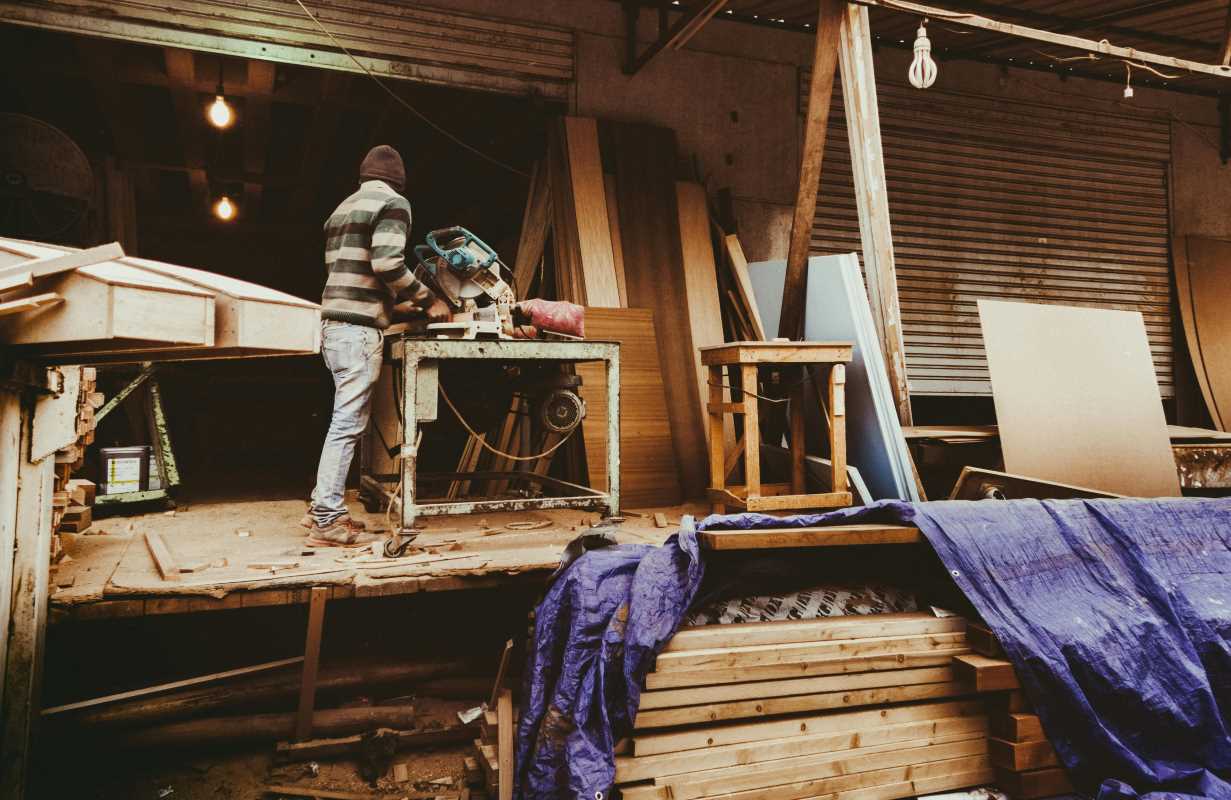
- Set Designer/Carpenter: In theater and concert touring, these are the builders. They construct the physical world of the stage, from simple platforms to complex, moving scenic elements.
What Skills Do You Need?
To work in live production, you need more than just a love for music or theater. You need a specific set of practical skills.
- Technical Expertise: Whether it’s knowing how to program a lighting console, mix live audio, or safely build a stage, technical knowledge is key. You can gain these skills through formal training or on-the-job experience.
- Organization: Production managers and crew chiefs juggle dozens of moving parts. Being hyper-organized is non-negotiable.
- Teamwork: No one puts on a show alone. You must be able to communicate clearly and work effectively with a large, diverse team, often under high pressure.
- Problem-Solving: Things go wrong. Equipment breaks. The weather turns. You need to be able to think on your feet and find solutions fast, without panicking.
How to Get the Training You Need
While you can learn a lot on the job, some formal training can give you a major head start.
- Vocational Schools & College Programs: Many community colleges and universities offer degrees or certificates in technical theater or live production. These programs give you hands-on access to professional equipment and a solid technical foundation.
- Workshops & Certifications: Look for workshops in specific areas like lighting design or live sound mixing. Getting certifications, like for operating certain equipment or for workplace safety (like OSHA), can make you a more attractive hire.
Getting Your Foot in the Door
Experience is the name of the game. You need to get out there and start working.
- Volunteer: Offer to help at local festivals, community theaters, or even school productions. This is the absolute best way to get your first taste of the industry and start learning the ropes.
- Find Entry-Level Gigs: Look for work with local production companies. These are the businesses that provide the sound, lighting, and staging for events in your area. They are often looking for stagehands or shop techs. It’s hard work, but you’ll learn a ton.
- Internships: Professional theaters, music venues, and production companies sometimes offer internships. This is a structured way to get professional experience and make critical connections.
Build Your Portfolio and Network
Even in technical fields, a portfolio helps. It’s a way to showcase your experience.
- Document Your Work: Take photos or videos of the shows you work on. If you designed the lighting for a play, get high-quality pictures. If you were the sound engineer for a concert, get a good recording.
- Create a Simple Resume: Your resume should clearly list the shows you’ve worked on, your role, and the venue or company.
- Networking is Everything: The live events industry runs on word-of-mouth. Your reputation is your resume. Be the person who shows up on time, works hard, and has a positive attitude. People will want to work with you again. Go to industry events, connect with people on LinkedIn, and stay in touch with every crew you work with.
Advancing Your Career
The path for advancement is clear. You start as a hand, a tech, or an assistant. As you gain experience and prove your reliability, you can move up to lead roles like department head (e.g., Lead Lighting Tech) or Production Manager. The key is to never stop learning and to always be a valuable member of the team.
A career in event production is not your typical 9-to-5. The hours are long and the work is demanding. But the feeling of being part of a team that creates a magical, live experience for thousands of people is unbeatable.