Have you ever heard a song on the radio and instantly felt transported back to your high school prom? or watched a movie trailer that gave you warm, fuzzy feelings because it featured a character you loved as a child? If so, you have experienced the powerful force of nostalgia.
In the world of entertainment marketing, nostalgia is not just a pleasant feeling—it is a strategic superpower. It is the reason why movie theaters are packed for sequels of films from the 80s, why vinyl records are making a massive comeback, and why your favorite childhood video games are being remastered in high definition.
Nostalgia marketing taps into our fond memories of the past to create an immediate emotional connection with a new product. It is a way for brands to say, "Remember how good that felt? Let’s feel it again." When used correctly, it bridges the gap between generations and creates a built-in audience ready to engage. Let’s dive into why this strategy works so well and how marketers can use it to create meaningful campaigns.
Why Nostalgia Resonates So Deeply
To understand why nostalgia is such a potent marketing tool, we first need to understand the psychology behind it. Nostalgia is often described as a "sentimental longing for the past." In uncertain or stressful times, people naturally crave the comfort and familiarity of "the good old days."
- Emotional Safety: Familiar stories and characters act like comfort food for the brain. They offer a sense of safety and predictability in a world that can feel chaotic.
- Identity Building: The music we listened to, the games we played, and the shows we watched are part of who we are. Reconnecting with them validates our identity and personal history.
- Social Connection: Nostalgia is inherently social. Sharing memories ("Did you watch that show too?") creates an instant bond between people, fostering a sense of community.
For marketers, this means that a nostalgia-driven campaign doesn't have to work as hard to get attention. The emotional groundwork has already been laid years, or even decades, ago.
Nostalgia in Action: Success Stories Across the Industry
The entertainment industry has mastered the art of looking back. From the big screen to our headphones, examples of nostalgia marketing are everywhere.
Movies and TV: The Era of the Reboot
Perhaps the most obvious examples are found in film and television. Think about the massive success of shows like Stranger Things. While it is a new story, every frame is dripping with 1980s nostalgia—from the synth-heavy soundtrack to the costumes and pop culture references. It appeals to older viewers who lived through that decade and younger viewers who are fascinated by its aesthetic.
Similarly, the Top Gun: Maverick phenomenon proved that a sequel arriving 36 years later could still dominate the box office. The marketing campaign leaned heavily on the original film's iconography—the sunglasses, the bomber jackets, the beach volleyball—inviting fans to relive the adrenaline rush of the original while introducing the story to a new generation.
Video Games: Remastering Memories
The gaming industry is also capitalizing on our desire to relive our youth. Companies like Nintendo and Sony regularly release "remastered" versions of classic games. The marketing for these releases often focuses on the comparison: "Play the game you loved, now with the graphics you always imagined."
This strategy does two things effectively:
- It reactivates dormant fans: People who haven't played games in years might pick up a controller again to play a childhood favorite.
- It attracts new players: The "classic" status signals quality to new gamers who missed out the first time around.
Music: The Vinyl Revival and Tour Reunions
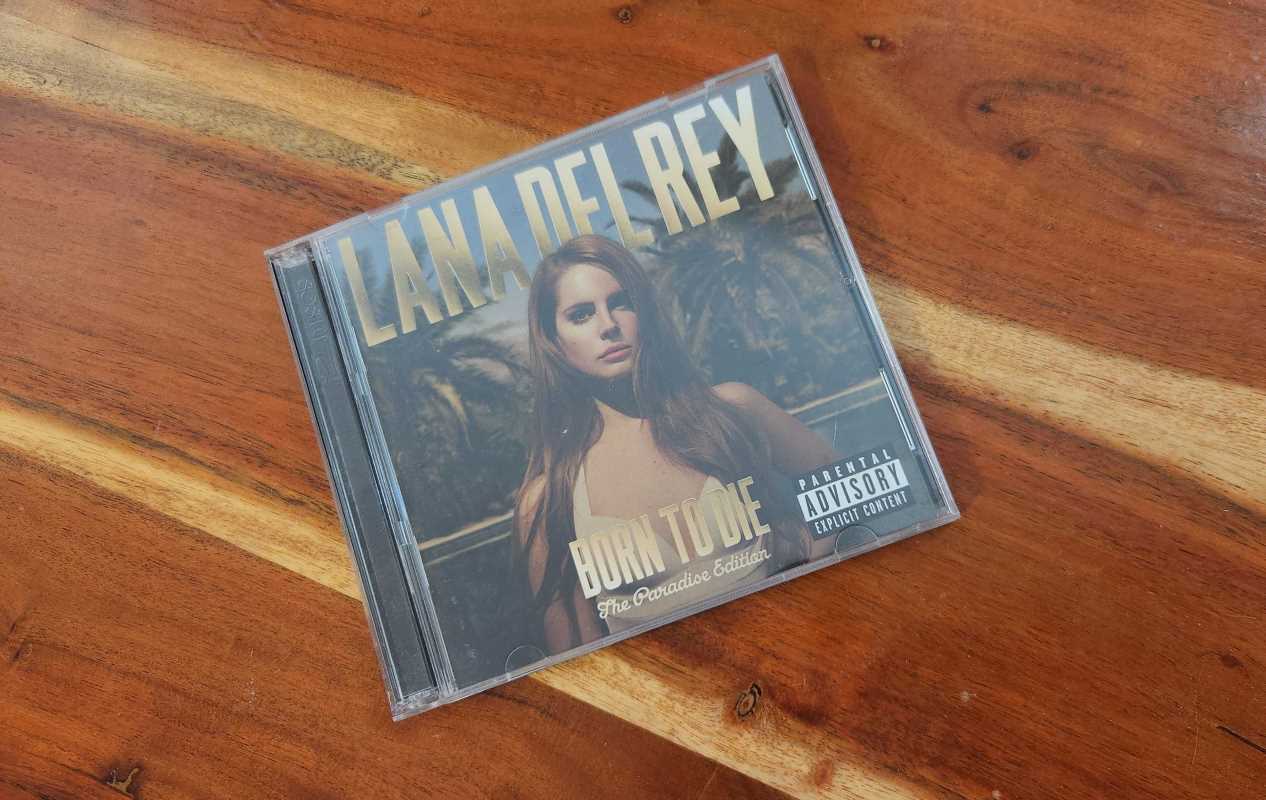
In music, nostalgia is driving physical sales and live events. The resurgence of vinyl records isn't just about sound quality; it's about the tactile experience of the past. Marketing campaigns for vinyl releases often emphasize the artwork, the ritual of dropping the needle, and the tangible connection to the artist.
Reunion tours act on the same principle. When a band from the 90s or early 2000s announces a tour, the marketing is rarely about their new music. It is about "playing the hits." It promises fans a time machine experience where they can be teenagers again for one night.
How to Use Nostalgia Effectively (Without Being Cheesy)
While nostalgia is powerful, it is not a magic wand. Audiences are smart. They can tell the difference between a heartfelt tribute and a cynical cash grab. If you lean too heavily on "remember this?" without offering anything new, your campaign will fall flat.
Here are actionable strategies for entertainment marketers to get it right:
1. Blend the Old with the New
Nostalgia should be the hook, not the whole story. The most successful campaigns use familiarity to get people through the door, but they deliver a modern experience to keep them there.
- The Strategy: Don't just re-release old content. Update it. Add a modern twist, a new character, or a fresh perspective. Make sure the production quality meets today’s high standards.
- Why it works: It respects the original material while acknowledging that audience tastes have evolved.
2. Target the Right "Nostalgia Window"
Research suggests that people are most nostalgic for the pop culture they experienced during their teenage years and early twenties. This is often called the "reminiscence bump."
- The Strategy: If you are targeting Millennials, look to the pop culture of the late 90s and early 2000s. If you are targeting Gen X, look to the 80s. Understanding your target demographic's formative years is crucial for selecting the right references.
- Why it works: It ensures your references land with maximum emotional impact.
3. Focus on the Feeling, Not Just the Object
Effective nostalgia marketing isn't just about showing a picture of a floppy disk or a cassette tape. It’s about evoking the feeling associated with those objects.
- The Strategy: Use music, color palettes, and storytelling to recreate the mood of an era. Focus on themes like innocence, adventure, or friendship that were prevalent in that time period.
- Why it works: It creates a deeper emotional resonance that goes beyond superficial recognition.
4. Empower the Fans
Nostalgia is communal. Give your audience a way to participate in the celebration.
- The Strategy: Encourage user-generated content. Ask fans to share their favorite memories, photos, or fan art related to the franchise. Host watch parties or anniversary events where fans can connect with each other.
- Why it works: It turns passive consumers into active brand ambassadors. It validates their fandom and makes them feel like part of the marketing team.